
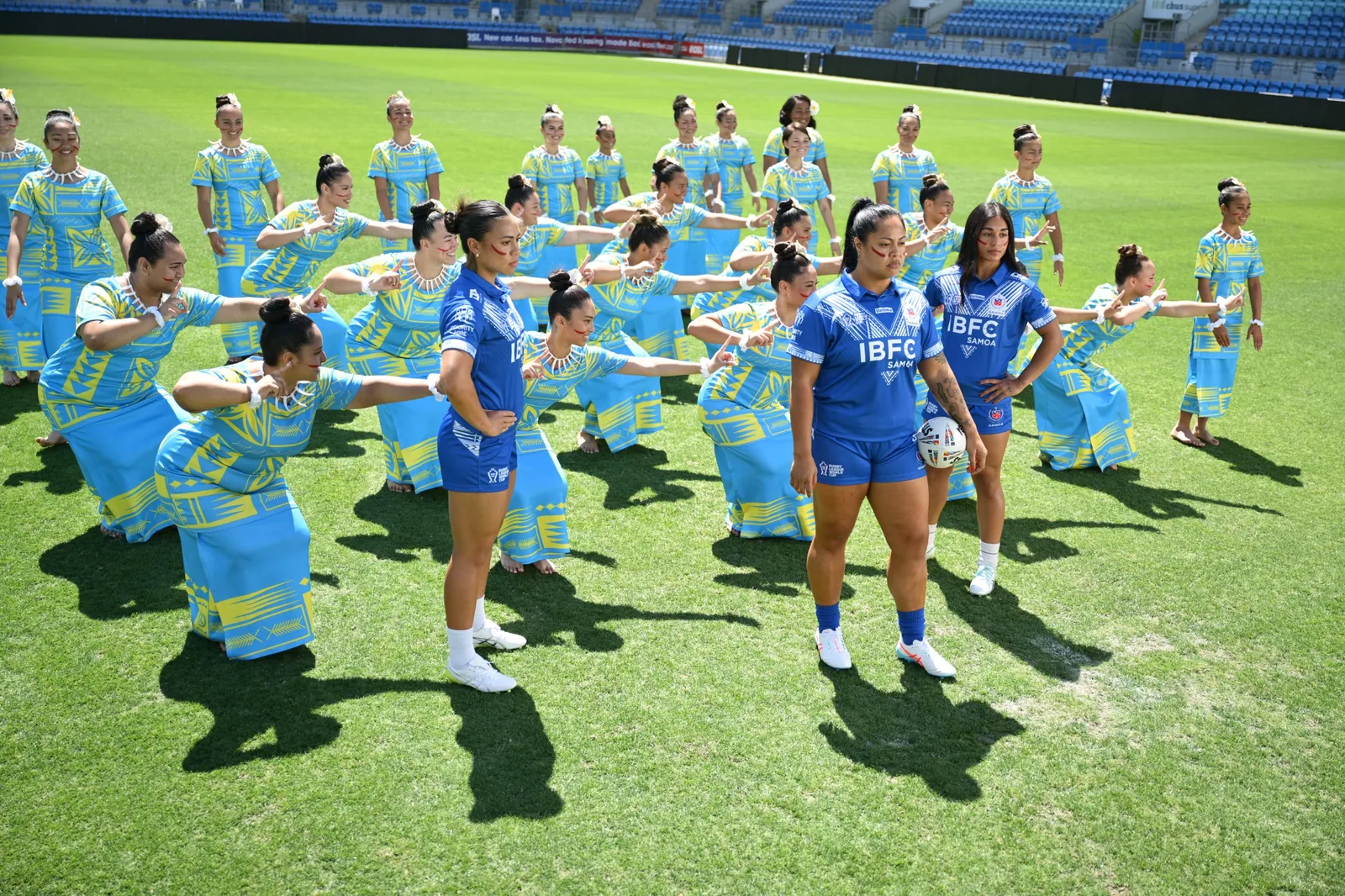
When you pull a Samoan jersey over your head, you carry something that cannot be measured in fabric or stitched into its seams. You carry the villages that raised you, the language spoken before you knew how to speak it yourself, the prayers whispered by generations before you, and the sacrifices of those who made it possible for you to stand where you are today. You carry an entire bloodline.
That is the feeling at the heart of Born From Culture: Toa and Fetū Edition, the latest creative production from Rugby League Samoa. Bringing Toa Samoa and Fetū Samoa together in one visual celebration, the production captures the identity, heritage and belonging that connect the two national teams. It is a reminder that the Samoan rugby league identity does not begin when a player enters a training facility, steps onto the field or puts on the national jersey. It begins long before that. It begins in the villages, in the families, in the churches, in the traditions passed down through generations and in the values that continue to shape who we are. Because for Samoa, the game has always carried a meaning beyond the scoreboard.
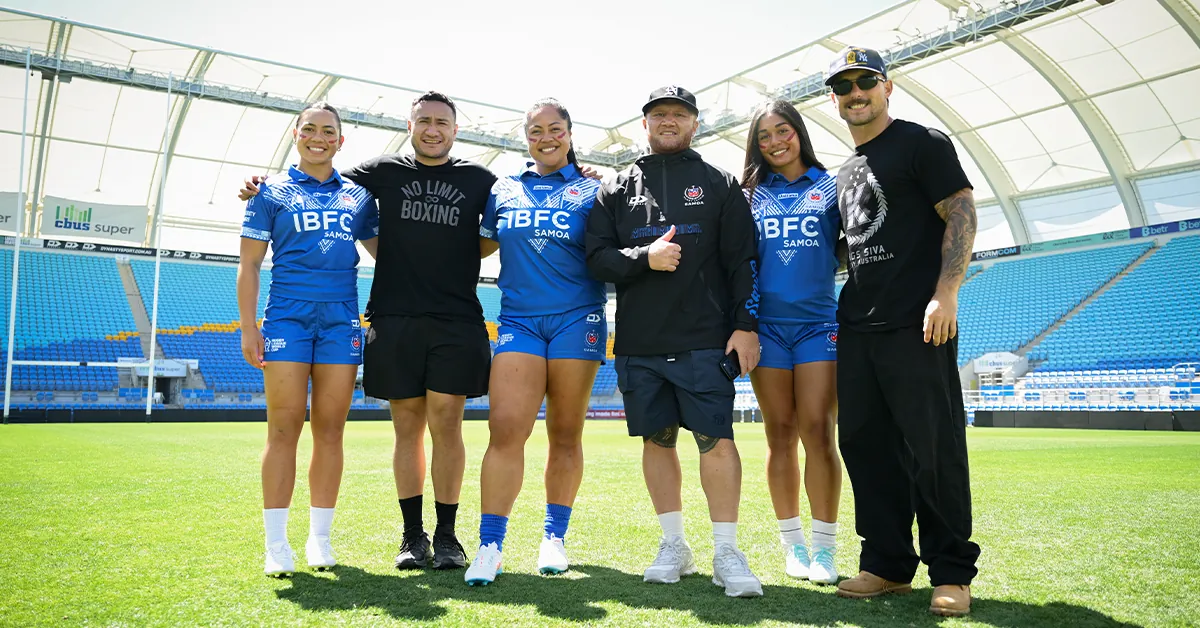
The production finds its place within a growing international creative movement led by director and creative visionary James Fenwick, whose Born From Culture series has brought indigenous traditions into a contemporary visual landscape. The concept is striking in its simplicity. Traditional dress, ceremonial movement, cultural dance and ancestral expression are brought together with modern cinematography, sharp editing and music deeply embedded in popular culture. From the traditional movement and sword-spinning performances of Georgia, set to Future’s Mask Off, to the powerful Haka of Aotearoa Māori accompanied by Kendrick Lamar’s N95, Fenwick has developed a distinctive visual language that makes cultural identity impossible to overlook. His approach challenges the boundaries of how traditional culture is presented to younger audiences, showing that heritage and contemporary expression can exist together without either losing its identity.
There is also a Samoan connection to the creative journey. Earlier in the year, Fenwick collaborated with Mr Siva Siva Academy on a production set to Kanye West’s Follow God. The collaboration reflected an approach to storytelling that recognises dance as a universal language, capable of connecting people and cultures across generations. Now, that creative vision returns to Samoa through the country’s national rugby league teams.
Working alongside producer Jarreau Chan Boon, cinematographers Carlin Leota and Bronson Moyle, and the creative team at NRTHBOUND, Fenwick brings his distinctive visual approach into the heart of Samoan culture. And then comes the music. The opening sounds of Kanye West’s All of the Lights, featuring Rihanna and Kid Cudi among its contributors, immediately establish the production’s energy. The track is bold, layered and expansive, a piece of music that already carries a sense of grandeur and emotion. Paired with the imagery of Samoa, it becomes something more. With All of the Lights, that relationship takes on a life of its own.
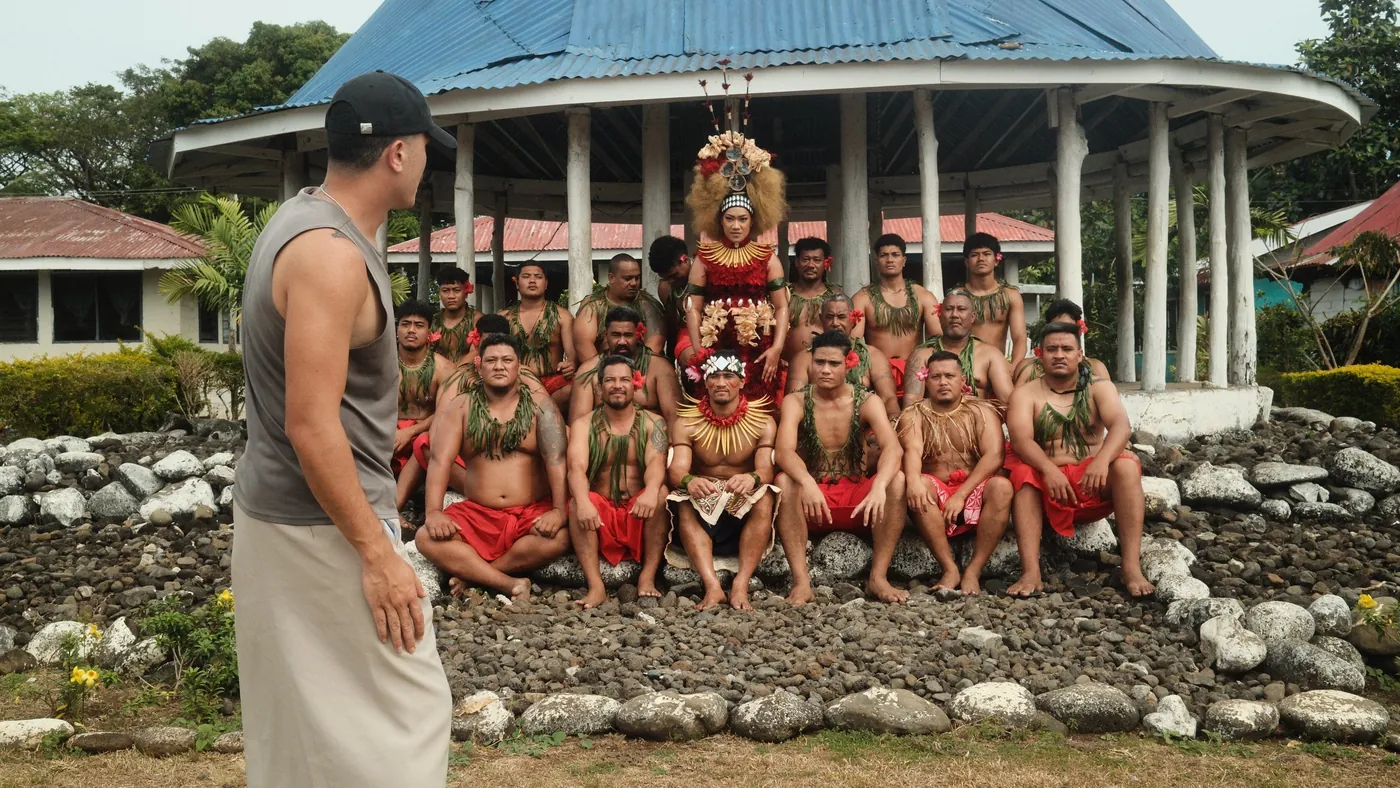
The result is a production that understands something important: Samoan culture does not have to be left in the past to be preserved. It can live, breathe and move within the present while remaining rooted in everything that came before. Each location was chosen with intention, grounding the teams in the places where Samoan identity is lived every day. Yet one location carries a particularly powerful historical significance.
Outside the historic Office of the Mau in Vaimoso, the production brings its athletes into a setting that represents one of the most important chapters in Samoa’s journey towards independence.
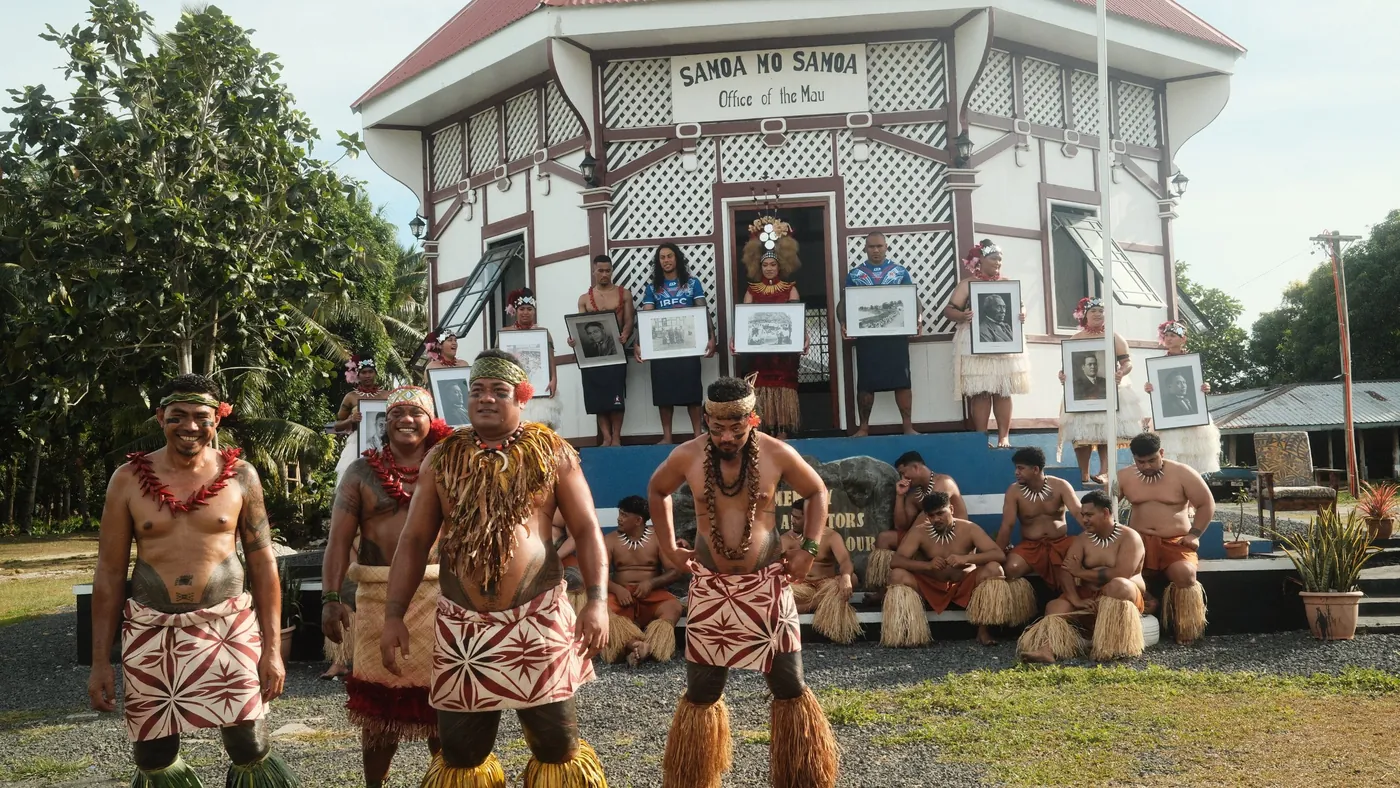
Samoa mo Samoa
The words carry a history that extends far beyond sport. The Mau movement was a peaceful resistance movement that sought self-governance and the right of Samoans to determine their own future. On 28 December 1929, during what became known as Black Saturday, Tupua Tamasese Lealofi III was among those shot by New Zealand police during a peaceful Mau demonstration in Apia. He later died from his injuries, and his final words — calling for peace and for his people to not shed blood in return — became a lasting symbol of the dignity and resolve of the Samoan people. To film in that space is to acknowledge that representing Samoa has never been an individual responsibility. It is something carried collectively.
That sense of collective identity runs through the entire production, particularly in the presence of the village groups and cultural custodians who shaped its movement and spirit. Kings Siva Academy, Anofale Dance Group, Aumaga Dance Group, the young men of the Lepea Aumaga and the performers of Samoa Tourism Siva each brought their own knowledge, discipline and energy to the screen. At the centre of that cultural expression are our taupou, Miss Samoa 2026 Poumau Tiufea Va’a and Penina Chan Boon.
Adorned in the tuiga, they carry themselves with a grace and presence that speaks to centuries of tradition. The taupou holds a place of honour in Samoan culture, and to see that role woven into a modern rugby league production is to see the past and present standing side by side, carrying traditions that connect generations of Samoans.
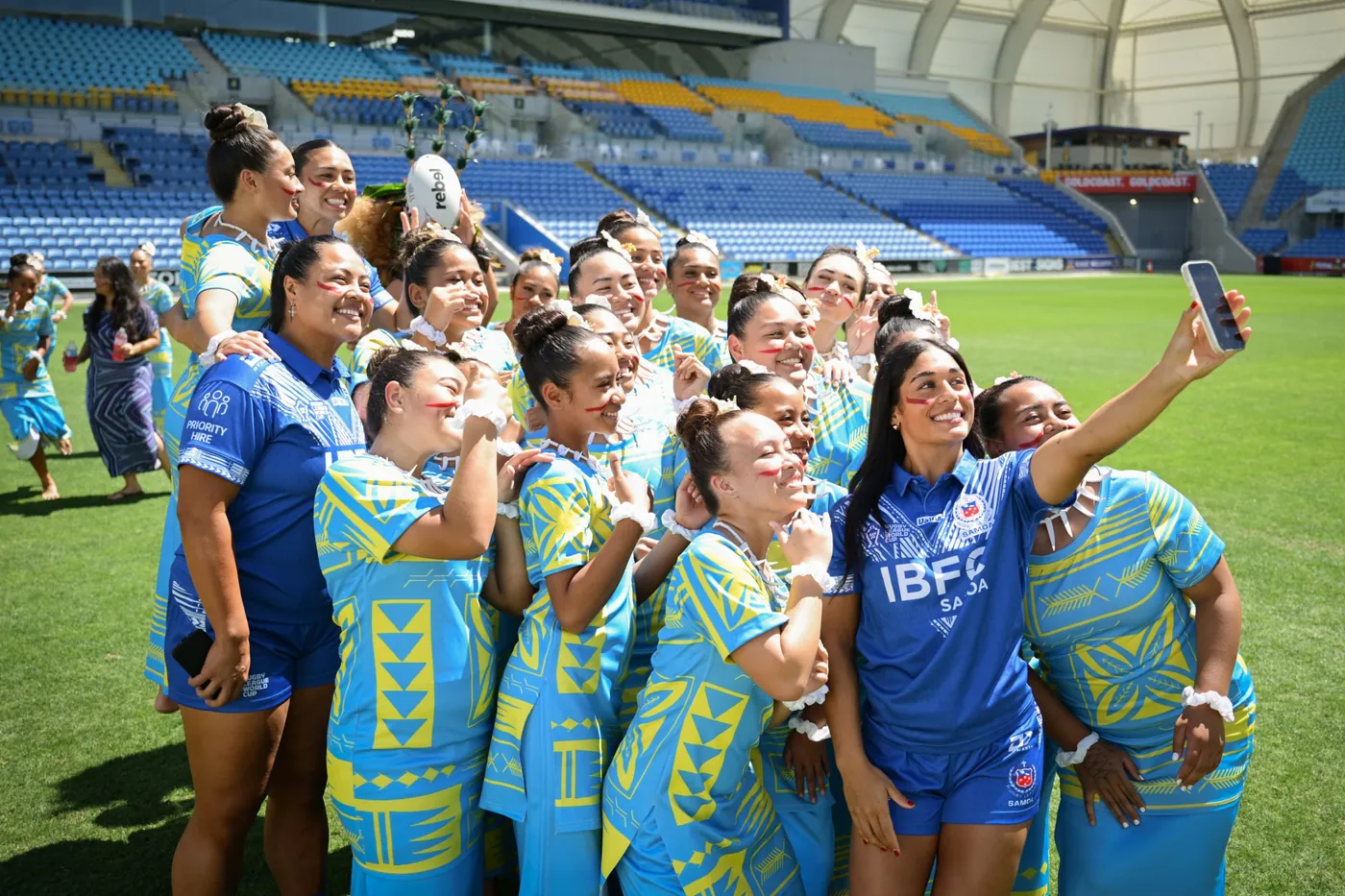
For Toa Samoa, it recalls the pride of a nation that watched its team reach the 2022 Rugby League World Cup Final, a run that united families across Samoa and throughout the diaspora. Stephen Crichton’s golden-point field goal against England became one of the defining moments in the nation’s sporting history. For Fetū Samoa, the production places the women within that same national story, honouring their role in carrying the identity, pride and future of Samoan rugby league. Together, they represent a sporting future that belongs to both.
There is one line in the production that captures the entire message:
When you put on the Samoan jersey, you remember that you are not wearing it alone.
It is a simple statement, but its meaning reaches far beyond the players wearing the blue. It speaks to every Samoan who has ever felt the weight and the honour of representing something greater than themselves, and to a diaspora for whom that representation can mean something deeply personal.
It is the young Samoan growing up between cultures, learning to hold onto language and tradition while living far from the islands. Then they see themselves reflected on a screen, their culture presented with pride, confidence and beauty, and something shifts. They understand that who they are is not something to quiet or set aside. It is something to carry forward.
And perhaps that is what makes Born From Culture: Toa and Fetū Edition resonate. It is not simply a video. It is a statement of creative and cultural ownership, a declaration that Samoan stories can be told by Samoans, in a way that honours where they come from while speaking to where they are going.
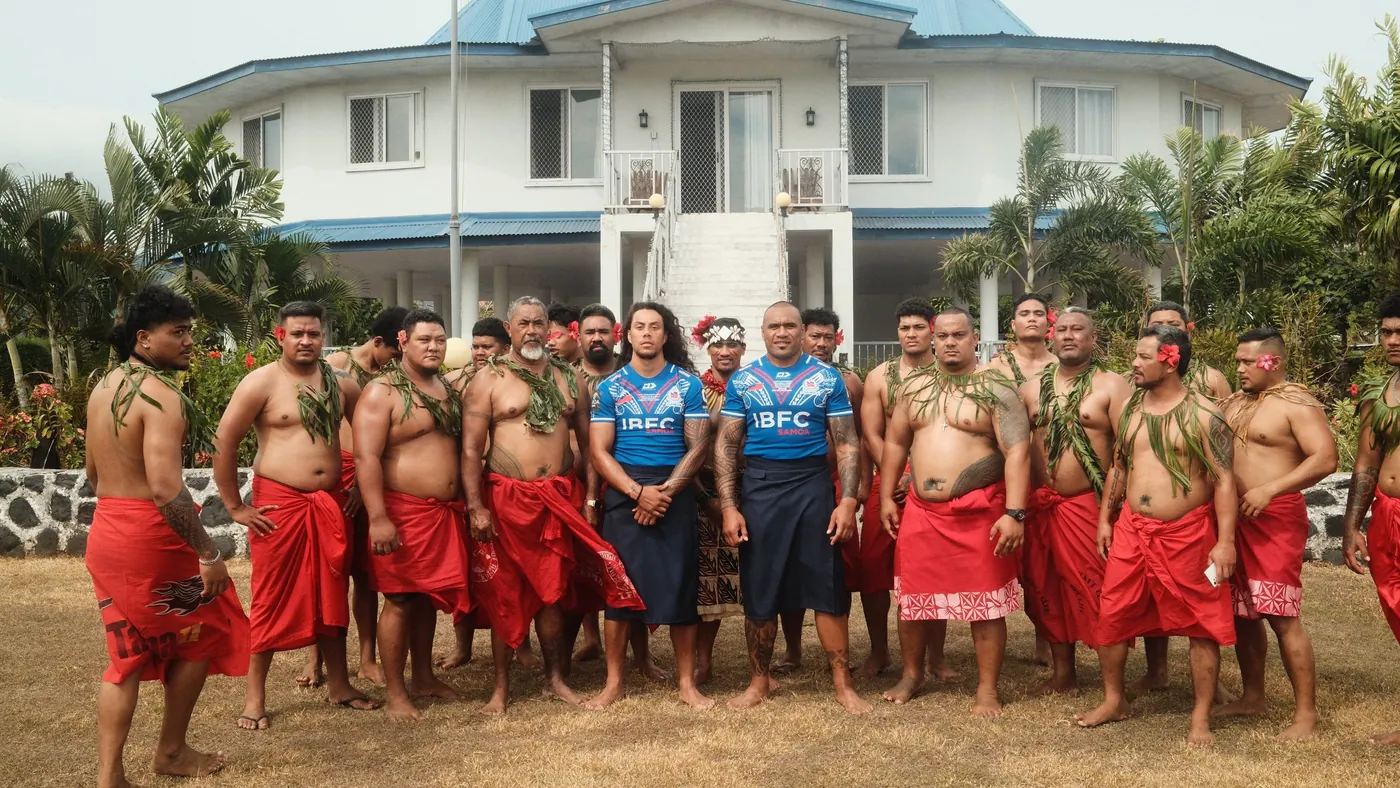
That blue jersey belongs to the children chasing a ball across the village malae. It belongs to the elders who prayed for their families. It belongs to the parents who left everything behind so their children could have more. When Toa Samoa and Fetū Samoa step onto the field, they carry the names of their families, their villages and their country. They carry the generations who came before them and the generations who will follow.
They carry Samoa. Samoa mo Samoa.
And wherever that blue jersey travels, our people are already there.
With both teams advancing to the semi-finals of the 2026 Rugby League World Cup, the journey continues for Toa Samoa and Fetū Samoa. Fetū Samoa will face New Zealand on November 7, followed by Toa Samoa taking on Australia on November 8. Two teams, one nation, and a shared purpose as they continue to carry Samoa onto the world stage.
O ou māmā na, Samoa.
What the creators say
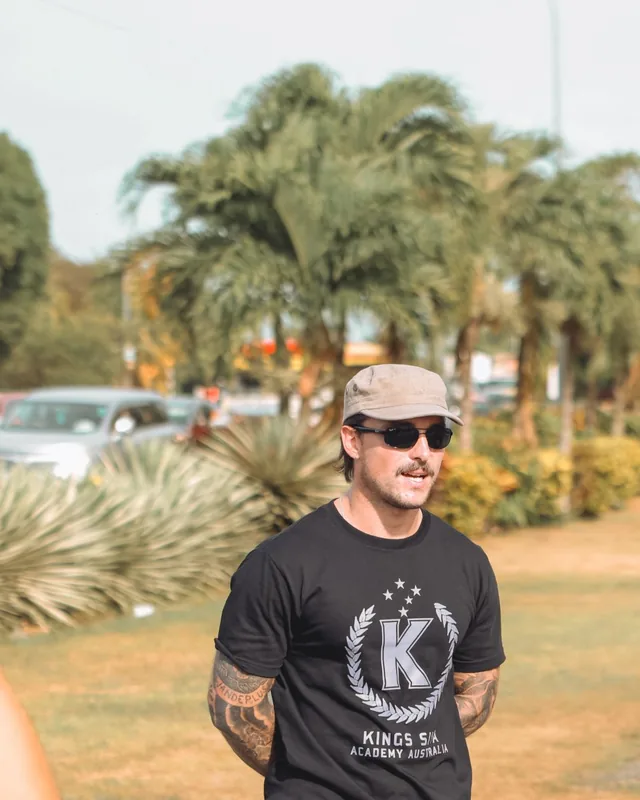
“This project was about celebrating the identity behind Samoa. Sport brings people together, but it’s culture, history and tradition that give each nation its soul. We wanted to bring those stories to life through movement and create something that goes beyond the game, something that makes people feel proud of where they come from.”James FenwickCreative Director
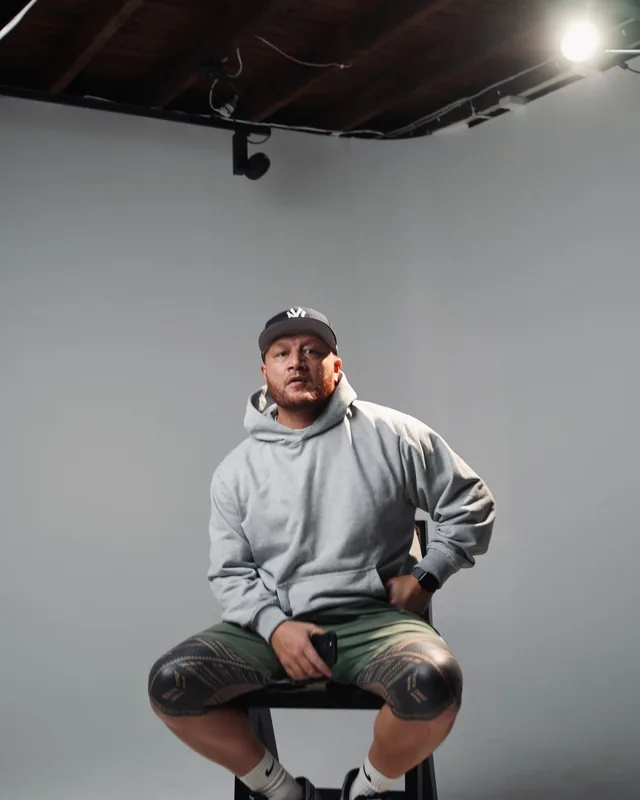
“Ultimately, I wanted Born From Culture: Toa & Fetū to represent everyone on their own cultural journey. Whether you’re living in Samoa, growing up in the diaspora or reconnecting with your heritage, there’s a place for you in this story. It’s about celebrating the beauty of our people, the expression of Siva Samoa, the depth of our history and having our Toa Samoa and Fetū Samoa leadership be part of that story. They represent more than the game.”Jarreau Chan BoonCo-Director / Producer
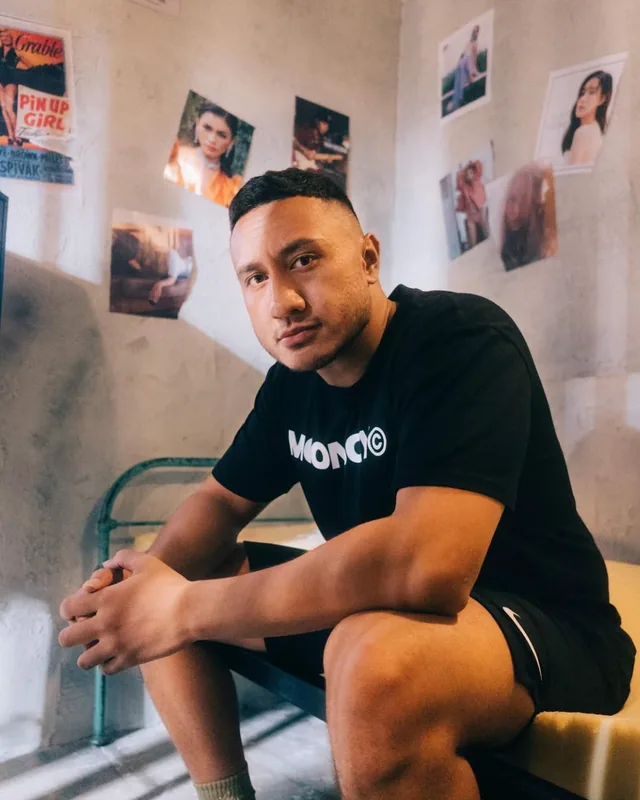
“We wanted to capture the people, the pride and the connection that make our nation unique, while showing the world that there’s so much more behind every jersey than what happens on the field.”Carlin LeotaDirector of Photography
Production credits
Creative Director: James Fenwick
Producer: Jarreau Chan Boon
Director of Photography: Carlin Leota and Bronson Moyle
Creative Team: NRTHBOUND Creative Agency
Cultural Contributors: Kings Siva Academy, Anofale Dance Group, Aumaga Dance Group, Lepea Aumaga and Samoa Tourism Siva
Featured Taupou: Miss Samoa 2026 Poumau Tiufea Va’a and Penina Chan Boon
Filming Locations: Fagali’i Village, Lepea Village, Office of the Mau (Vaimoso) and Cbus Super Stadium, Gold Coast
Images provided by the featured individuals or sourced from their public social media profiles and online platforms. All rights remain with the original creators.