
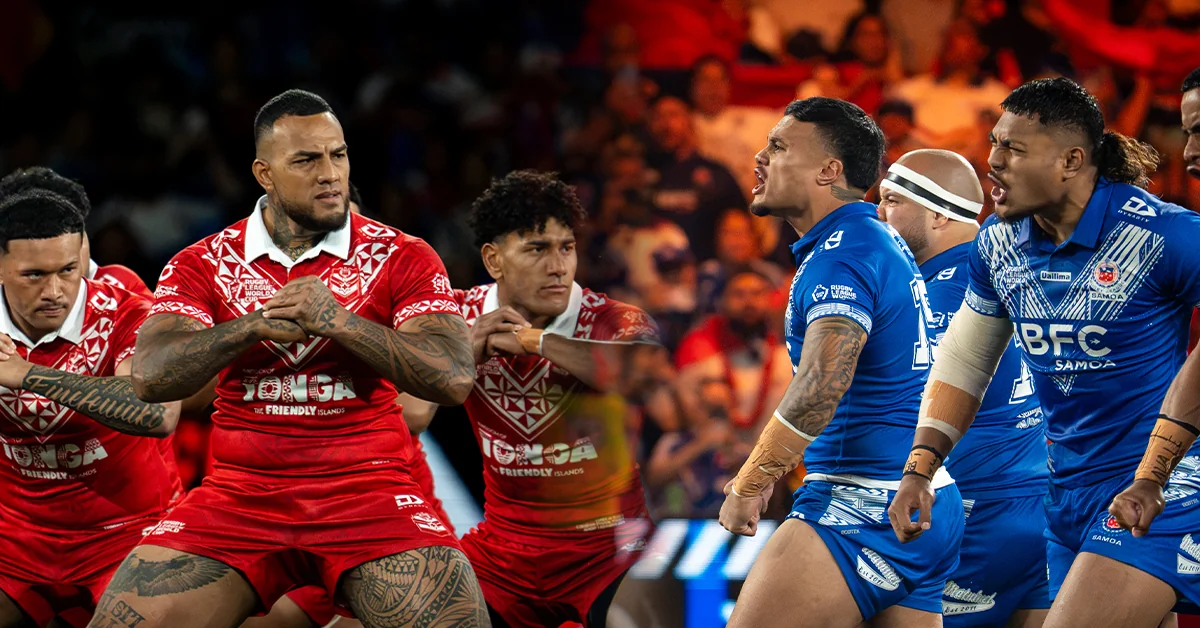
The 2026 Rugby League World Cup may be over, but the Pacific has left its mark. With the next tournament heading to the Pacific and the United States in 2030, here is your four-year head start.
The 2026 Rugby League World Cup has officially wrapped, but if there is one thing this tournament made clear, it is that the Pacific does not need an invitation to make its presence felt.
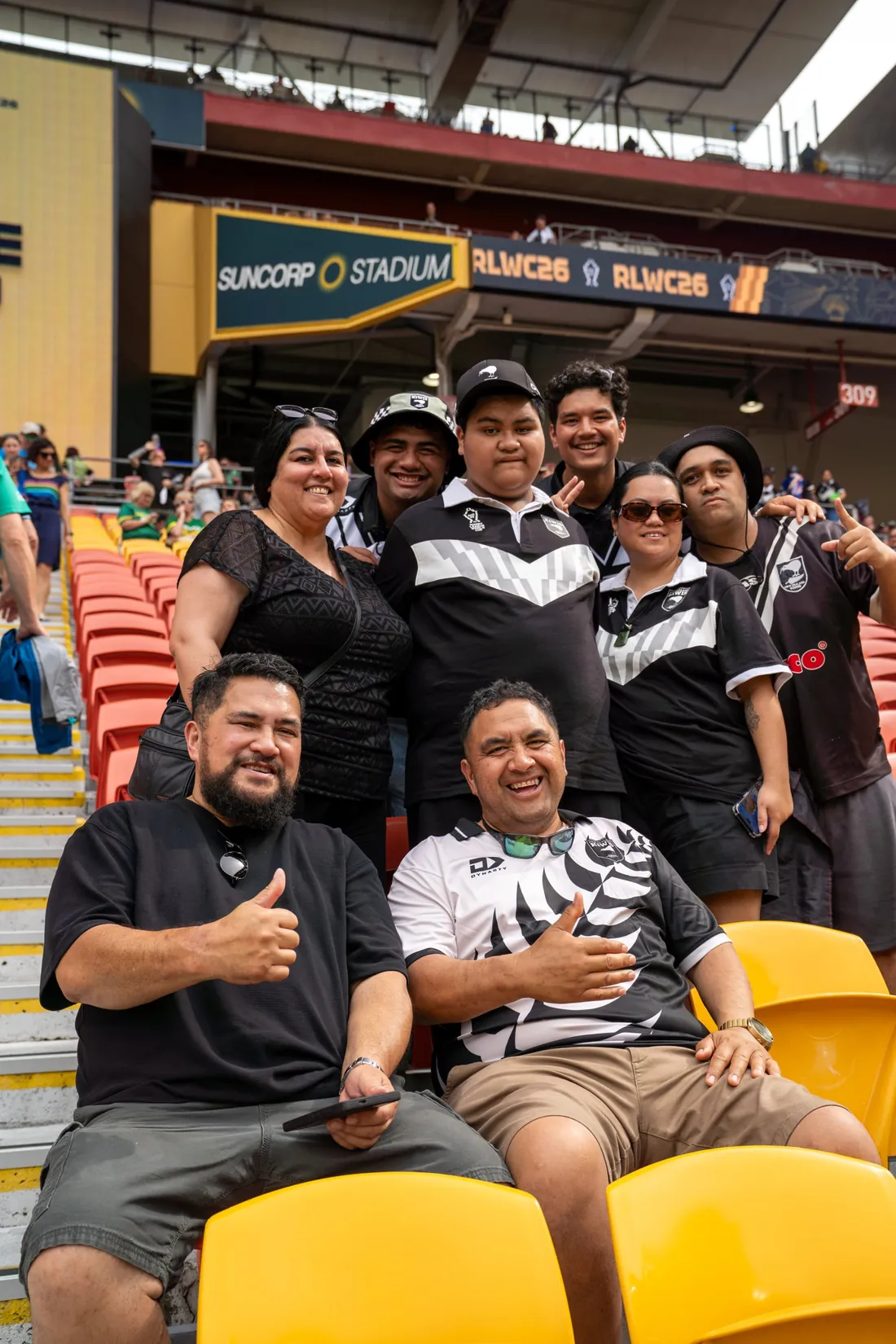
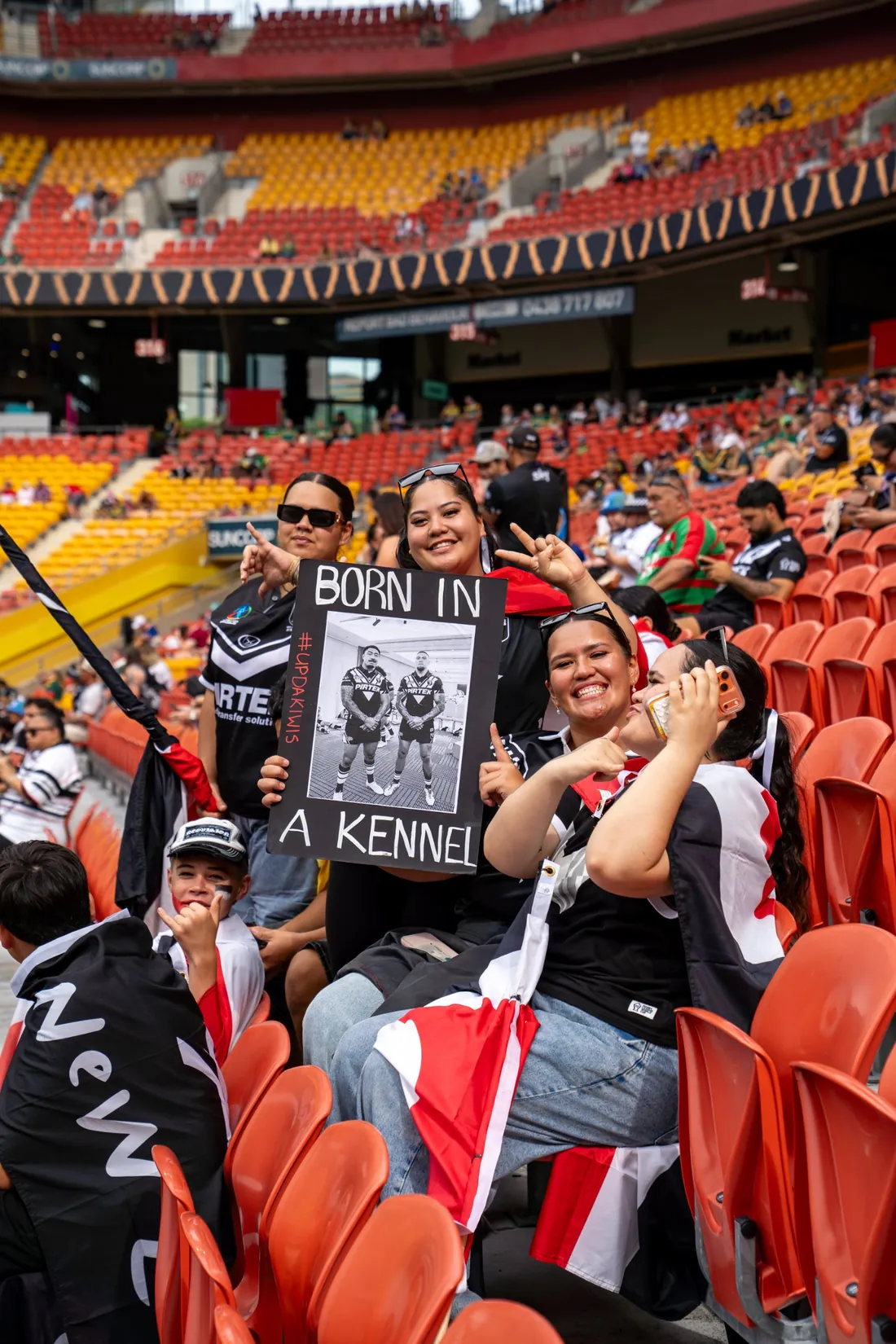
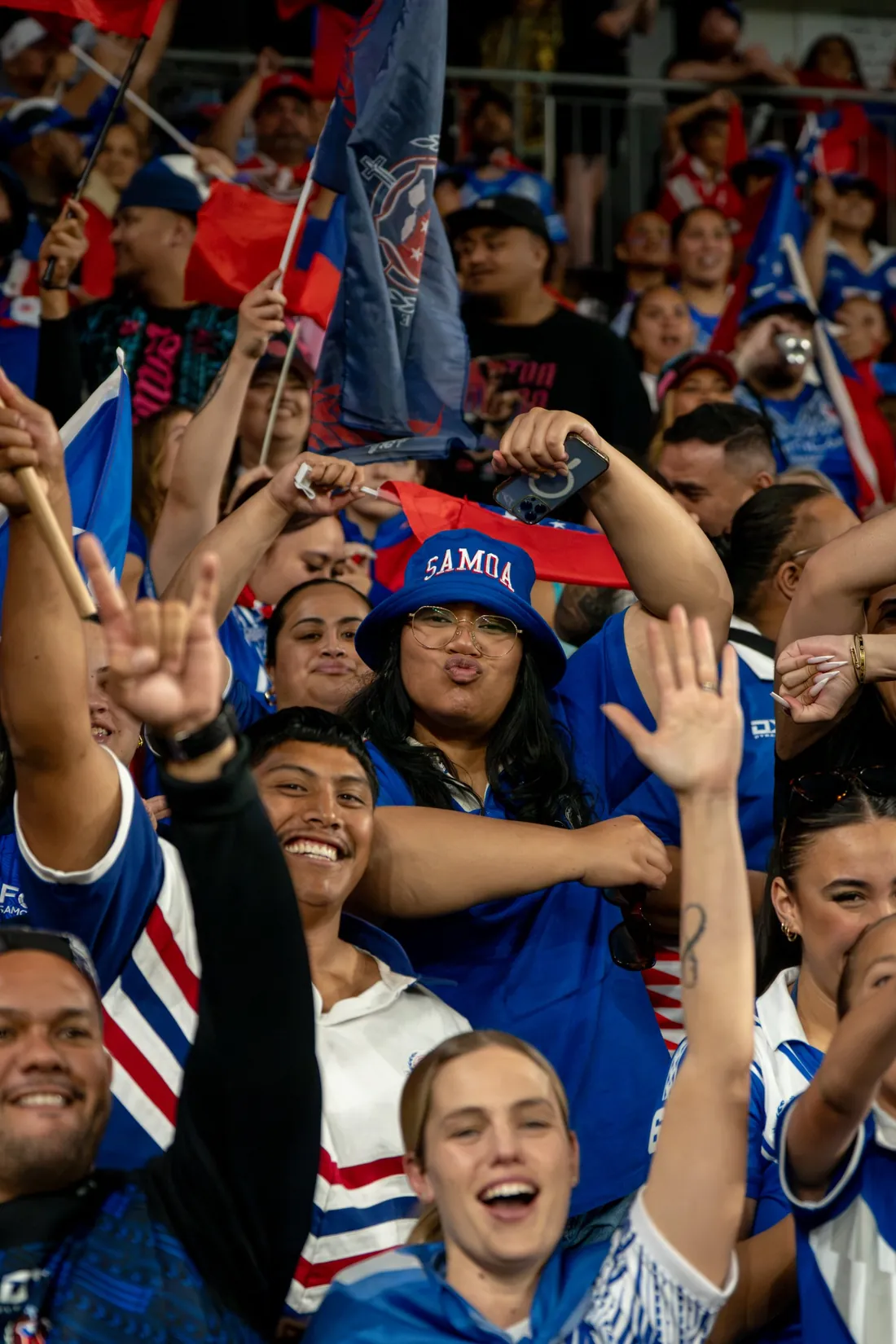
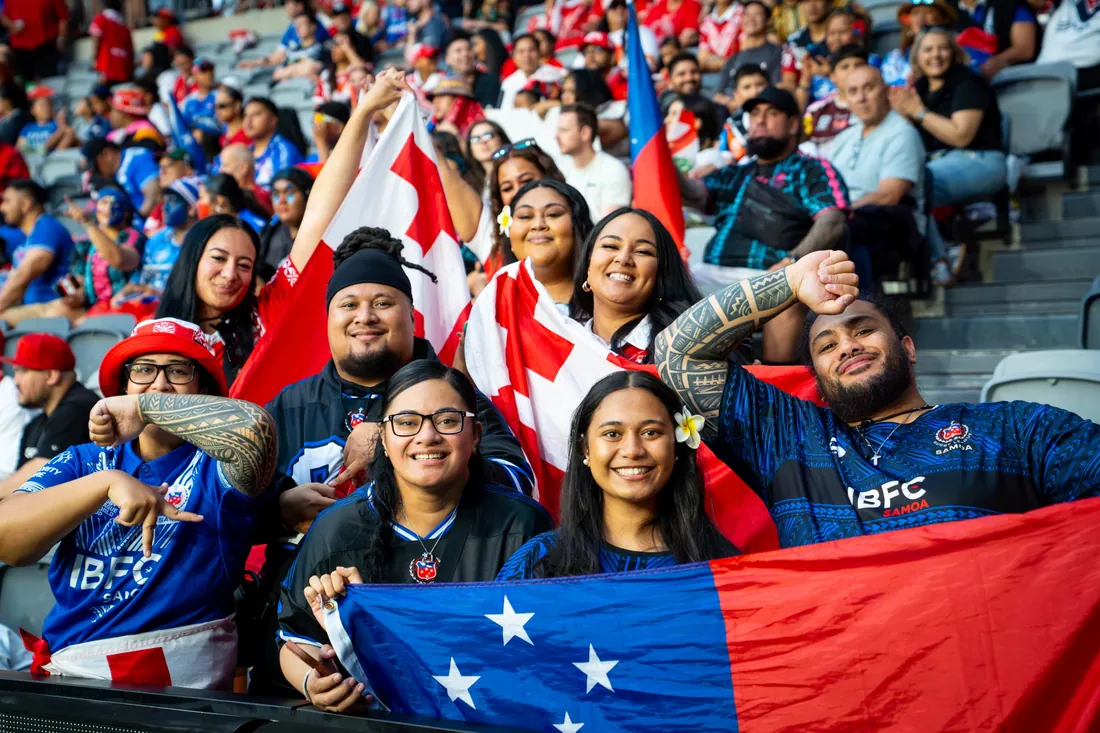
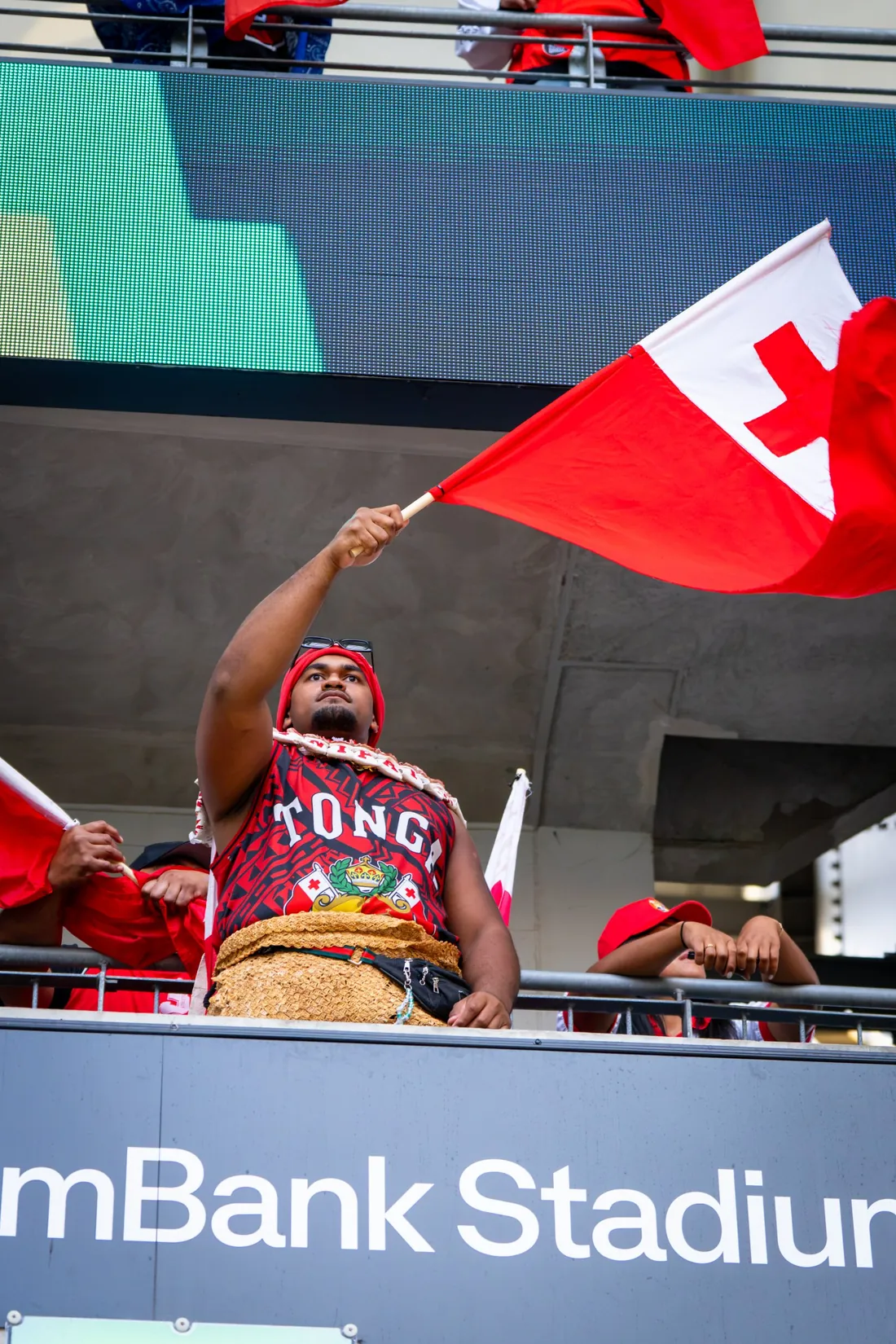
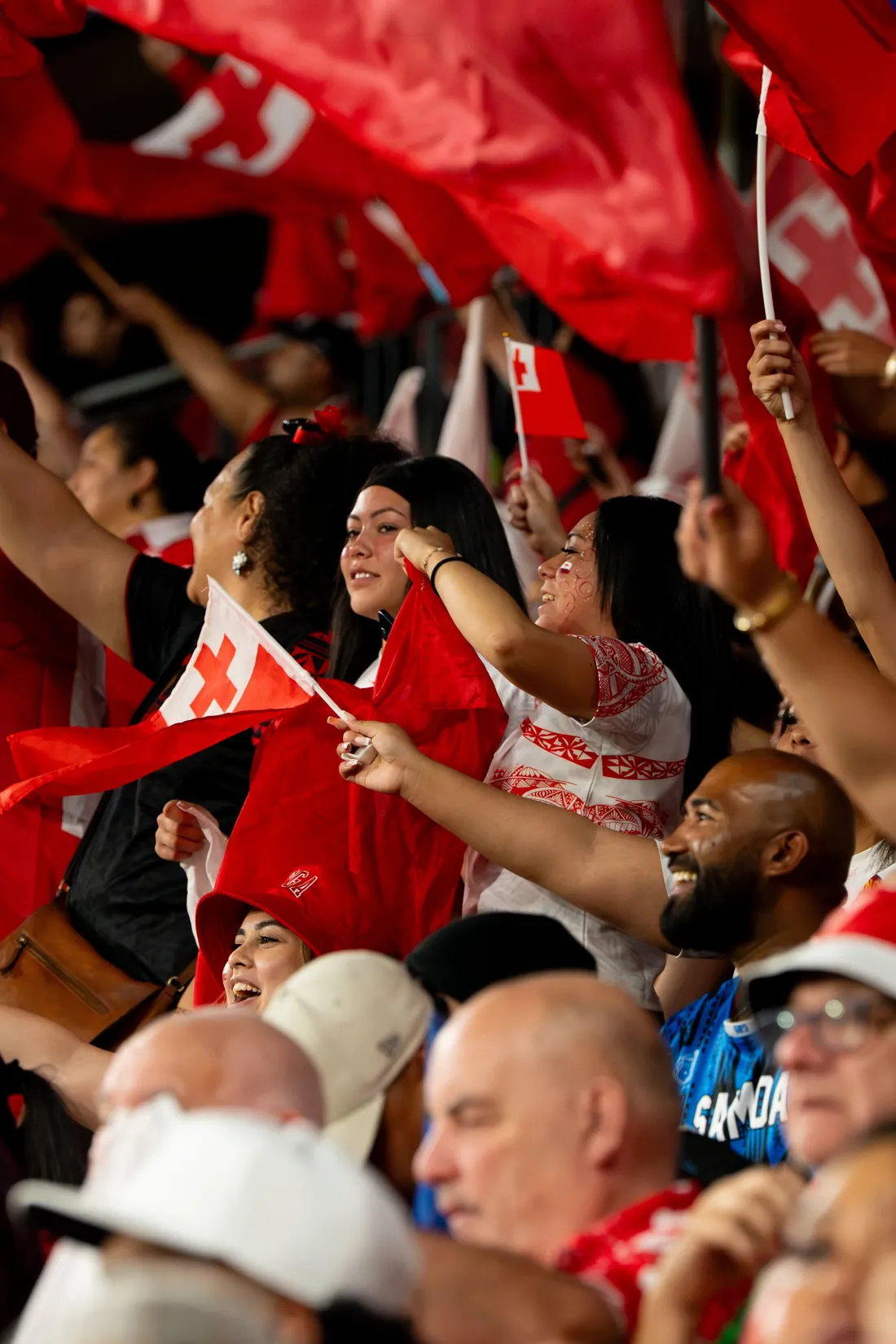
From the sea of red supporting Tonga to the blue army behind Samoa, Pacific supporters brought the noise, the pride, the music and the kind of atmosphere that makes international sport unforgettable. Across Australia, New Zealand and Papua New Guinea, the tournament became a celebration of more than rugby league. It was a celebration of identity, heritage and the communities that continue to carry this game forward.
And the Pacific diaspora in the United States made sure they were part of the story, too.
From community parades and flag-waving celebrations to watch parties and gatherings across the country, supporters showed that you don’t have to be sitting inside a stadium to be part of the movement. Whether it was Alaska, Utah, the Bay Area or Las Vegas, the pride travelled.
Now, imagine bringing that same energy home.
The next Rugby League World Cup is scheduled for 2030, with the International Rugby League (IRL) targeting Utah and Hawai’i as American locations for the tournament. The broader plan is a five-week event spanning up to five locations across the United States and the Pacific. Four years might sound like a long time, but it is the perfect amount of time to get acquainted with the game, find your team and prepare your vocal cords.
American Pacific Islander supporters, consider this your friendly four-year notice. And if you are new to rugby league, you are invited, too.
Here are five things to do before the 2030 Rugby League World Cup arrives.
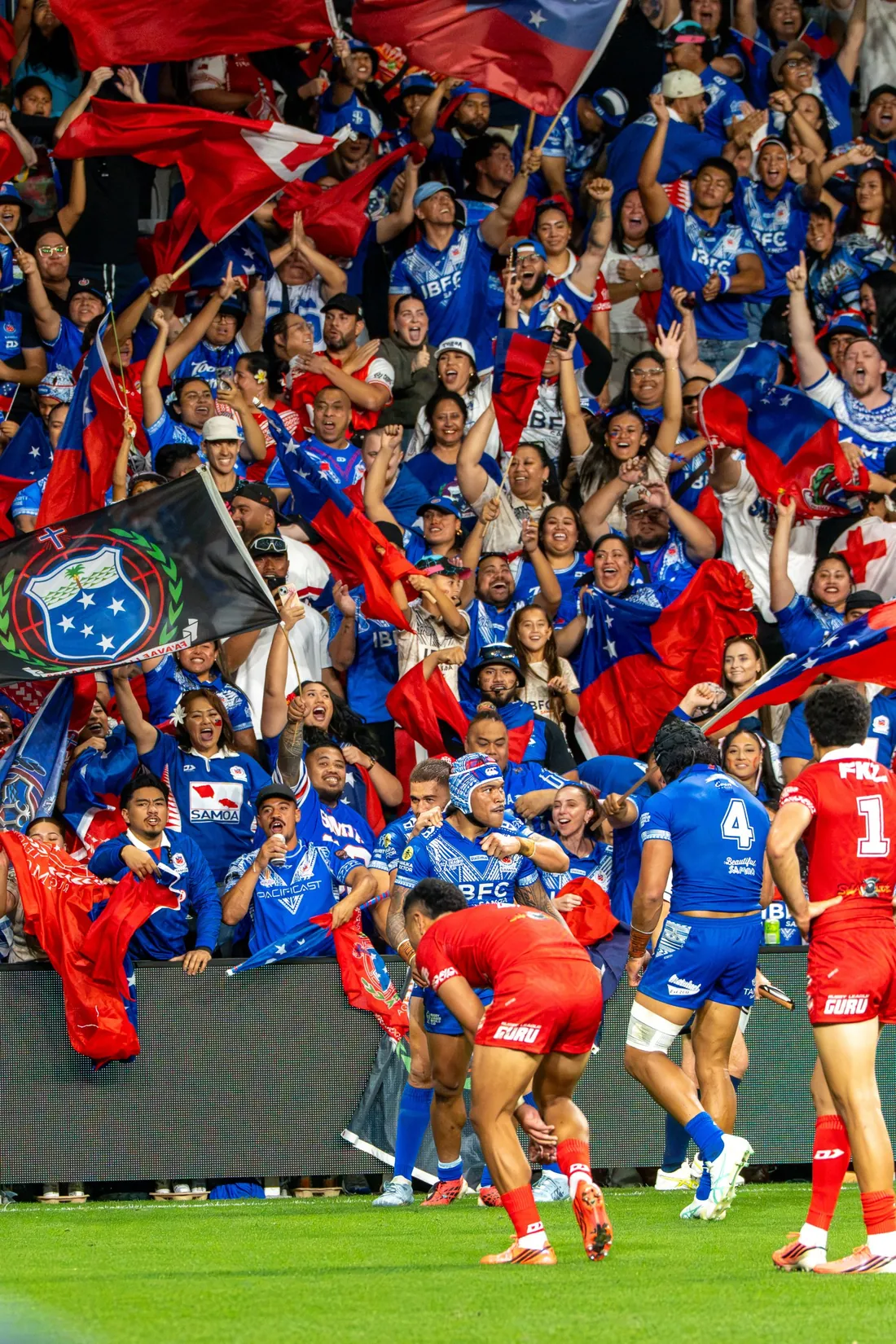
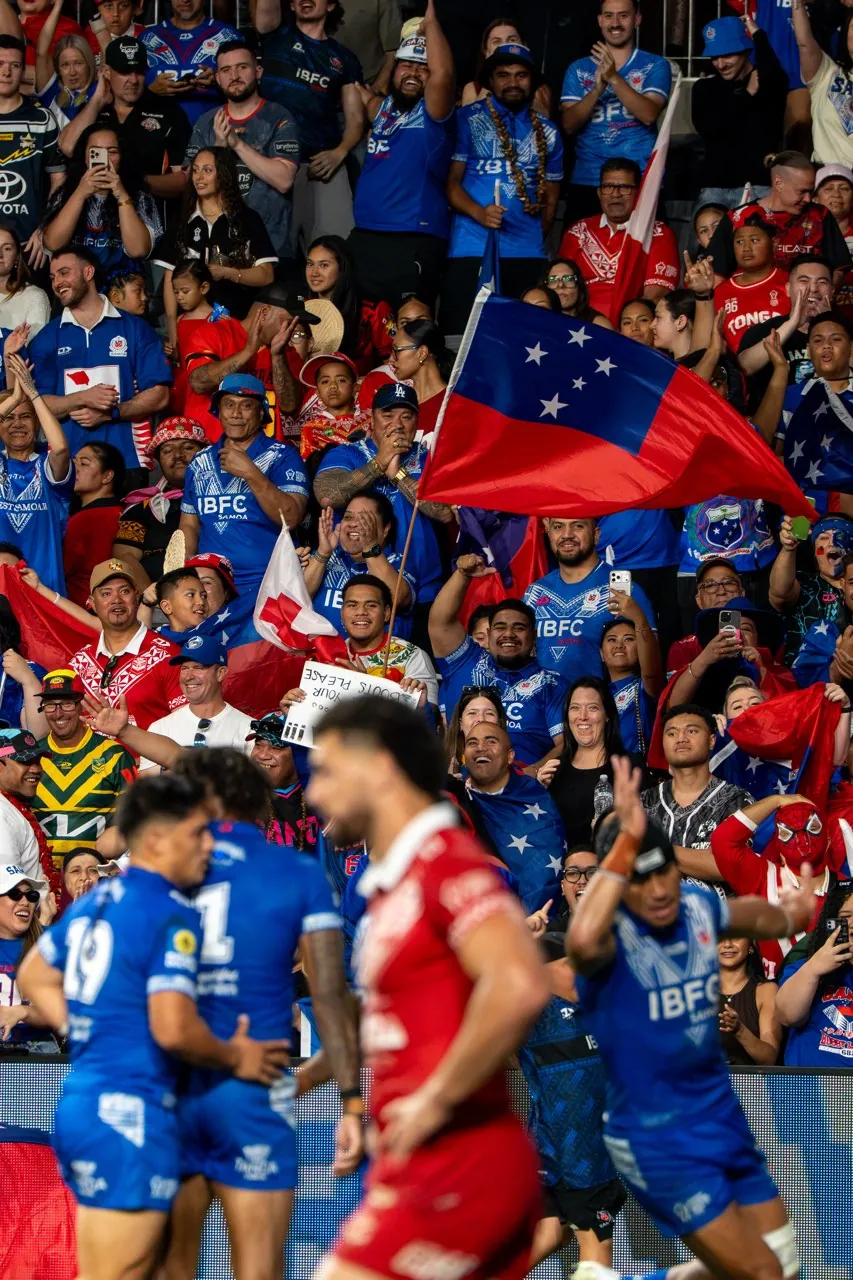
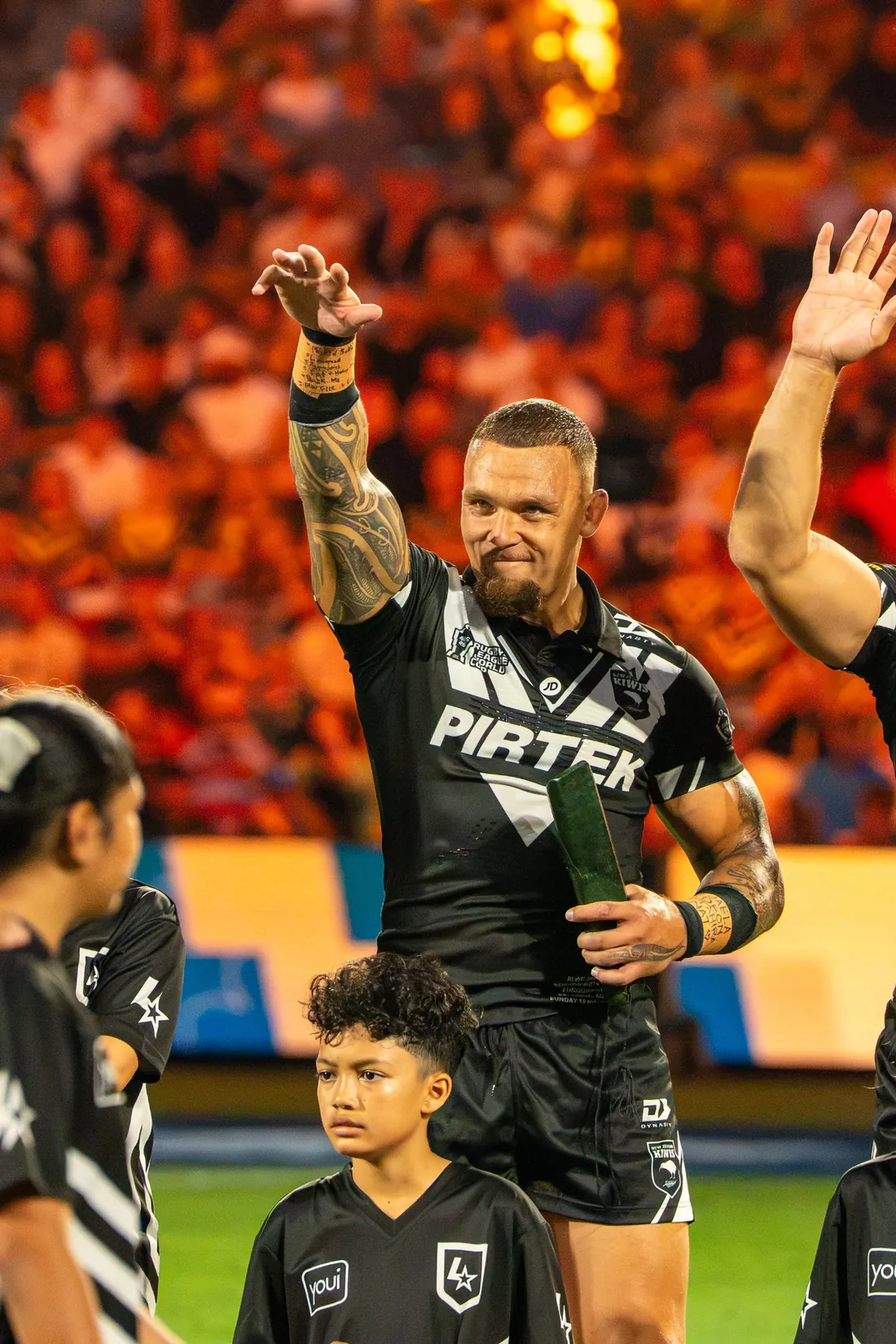
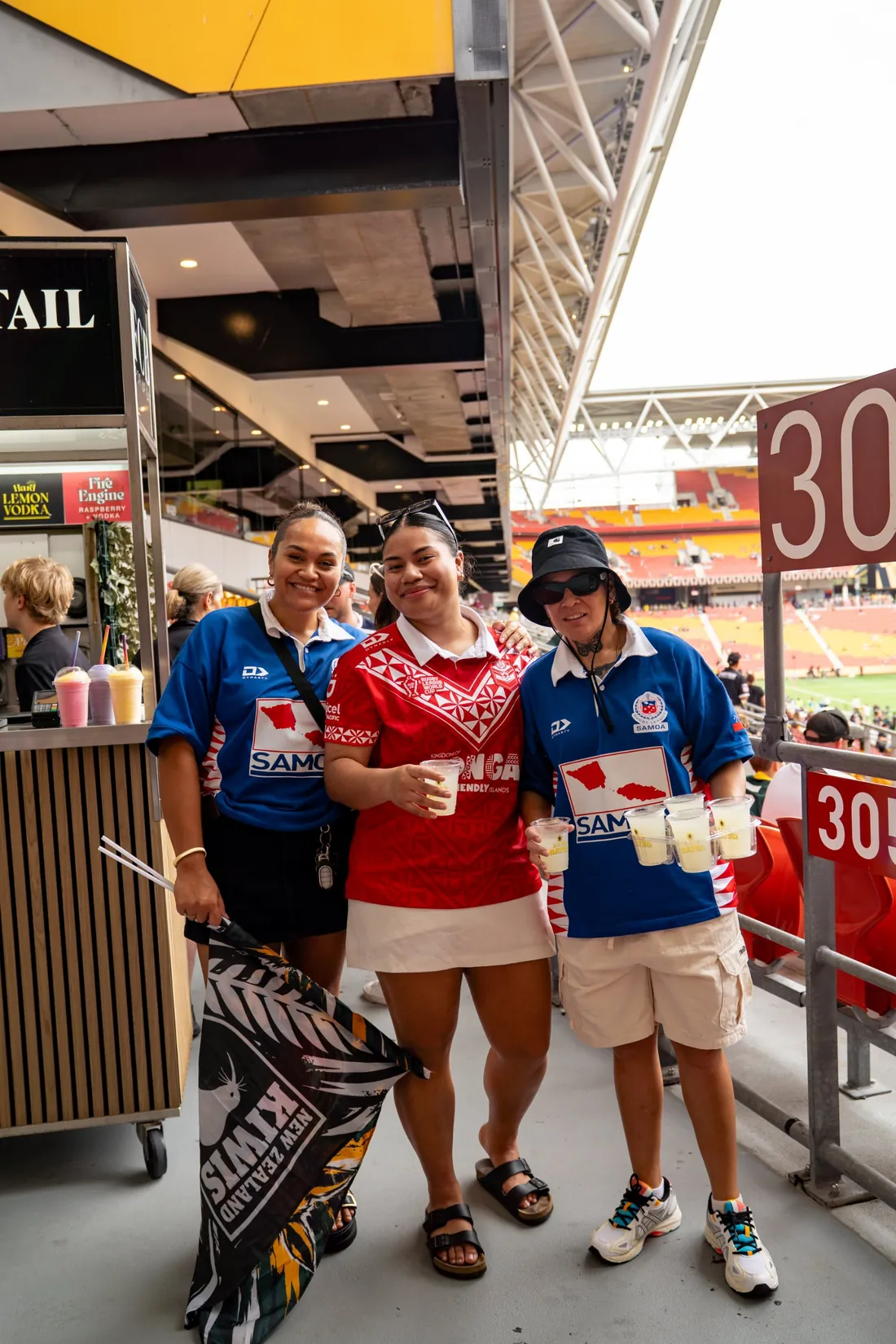
1. Learn the Game. This Is Rugby League, Not Rugby. And Please, Stop Calling Everything a Touchdown.
First things first: this is rugby league.
Not rugby union. Not American football. And definitely not a game where every player carrying a ball is looking for a touchdown. We know American football is practically a national pastime in the States, but rugby league has its own rules, rhythm, terminology and way of doing things. The two sports may share a few similarities, but they are different games. Even rugby league and rugby union, despite sharing the word rugby, are two different codes.
So, let’s get familiar.
Rugby league is played with 13 players on each team. The objective is to score points by advancing the ball down the field and grounding it in the opposition’s in-goal area.
Here is your first vocabulary lesson:
- Try — four points. A player scores by grounding the ball in the opponent’s in-goal area. Think of it as the closest equivalent to an American football touchdown, but the scoring value is different.
- Conversion — two points. After scoring a try, the team gets an opportunity to kick the ball through the goalposts.
- Penalty goal — two points. Awarded after certain infringements, giving the team a kick at goal.
- Field goal — one point. A drop kick through the goalposts during general play.
- Tackle count. A team gets six tackles to make something happen while in possession. After the sixth tackle, possession generally changes hands.
- Play-the-ball. After being tackled, the player gets back up and restarts play by rolling the ball backwards with their foot.
And that last tackle? That is where things can get particularly interesting. Teams often use it to kick downfield, find space or put pressure on the opposition. See? You are already learning.
The best way to understand the game is to actually watch it. Find a full match, sit down and give yourself time to follow the action. Don’t worry if you don’t understand every referee’s call or every play on your first watch. You’ll pick it up.
And Americans, you have a pretty convenient opportunity coming up. The NRL is returning to Las Vegas on February 27, 2027, at Allegiant Stadium. The season opener will feature the Melbourne Storm against the Wests Tigers and the Parramatta Eels against the Gold Coast Titans. The UK’s Bradford Bulls and Leigh Leopards will also feature in the event. If you are in Vegas, grab a ticket and experience it in person. If you are elsewhere, find a broadcast, invite some friends over or stay up late to catch an NRL match from Australia. Consider NRL Vegas your introduction. The 2030 World Cup is the main event.
And one last thing: when someone scores a try, please don’t yell touchdown. We love the enthusiasm, but let’s get the terminology right.
2. Learn the Players. Those Names Will Mean Something in Four Years.
You don’t have to wait until 2030 to become familiar with the talent representing the Pacific. Start now. Get to know the players representing Samoa, Tonga, Fiji, New Zealand, Papua New Guinea and the Cook Islands. Learn their names, faces, positions and the clubs they represent.
Who’s playing in the NRL? Who’s making waves in the English Super League? Who’s coming through the junior pathways? Who are the young prospects everyone should be keeping an eye on? Start paying attention to team lists, player announcements, club performances and international fixtures. Follow the national rugby league federations and the players themselves. You’ll be surprised how quickly you start recognizing familiar faces. And don’t limit yourself to the men’s game. The women’s competition deserves the same attention. Get familiar with the Kiwi Ferns, Fetū Samoa and the other Pacific women’s programs — Samoa has already booked its place on the world stage.
Of course, four years is a long time in professional sport. Players retire, new talent emerges, injuries happen and national selections change. The athletes you see today may not all be wearing their national jerseys in 2030. That is part of the fun.
You get to follow the next generation as they develop, watch established players build their legacies and discover the names that could become household favorites by the time the World Cup arrives. And imagine being able to tell your friends exactly who just scored, where they play and why they are important to their nation. That is a different kind of bragging right.
Your homework: pick a Pacific nation you want to follow and start learning its current squad. You might even discover your next favorite player before the rest of your group does.
3. Learn How to Banter. Because the Rivalry Is Part of the Fun.
If there is one thing Pacific rugby league supporters know how to do, it is banter. And if you followed the 2026 Rugby League World Cup, you already know what we are talking about.
The Samoa versus Tonga rivalry? The Australia versus New Zealand back-and-forth? The friendly competition between island nations? The social media comments, the memes, the family group chats and the playful back-and-forth between supporters? It is all part of the experience. Rugby league rivalries can get loud, especially when national pride is involved. But the best part is that you don’t have to take every comment to heart.
Your cousin might be supporting Tonga. Your uncle might be backing Samoa. Your neighbor might be waving a Fiji flag. And suddenly, a regular family gathering becomes a full-blown international sporting debate. That is the beauty of it. Learn the rivalries. Know which teams have history. Understand why certain matchups mean so much to their supporters. Learn a few chants, recognize the jokes and don’t be afraid to give your friends a little friendly grief when their team loses. But remember, there is a difference between good banter and disrespect. Keep the jokes about the game, the results and the rivalries. Leave personal attacks, cultural disrespect and unnecessary hostility out of it.
And if you are supporting a Pacific nation, be prepared to defend your team. Someone will have something to say. Just make sure you can back up your banter with a little rugby league knowledge. Nobody wants to be the loudest person in the room who doesn’t know what a six-tackle set is.
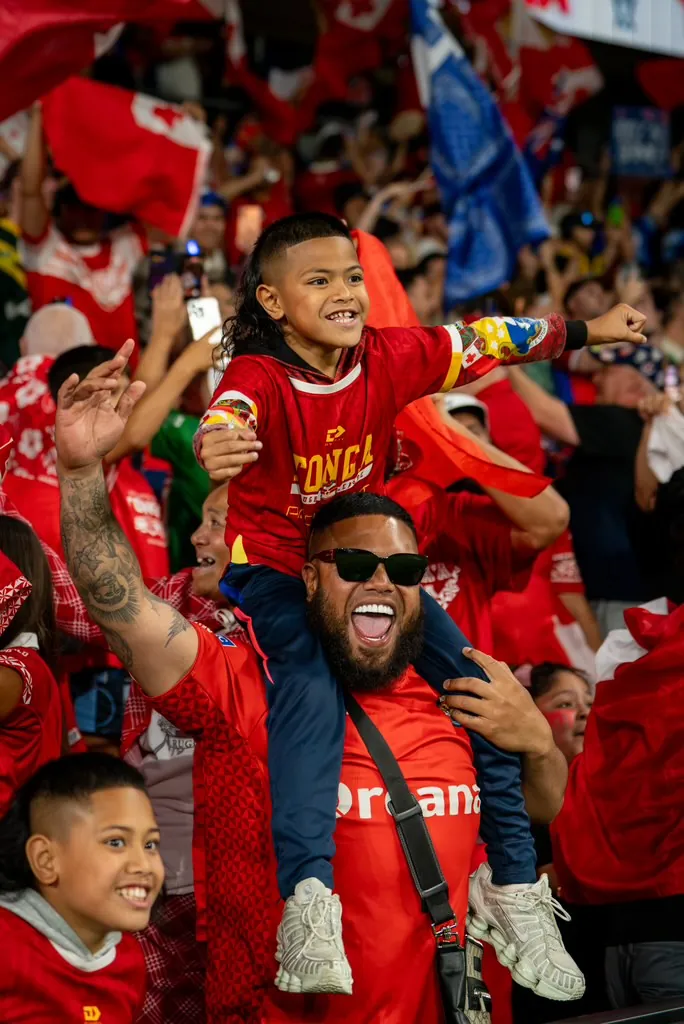
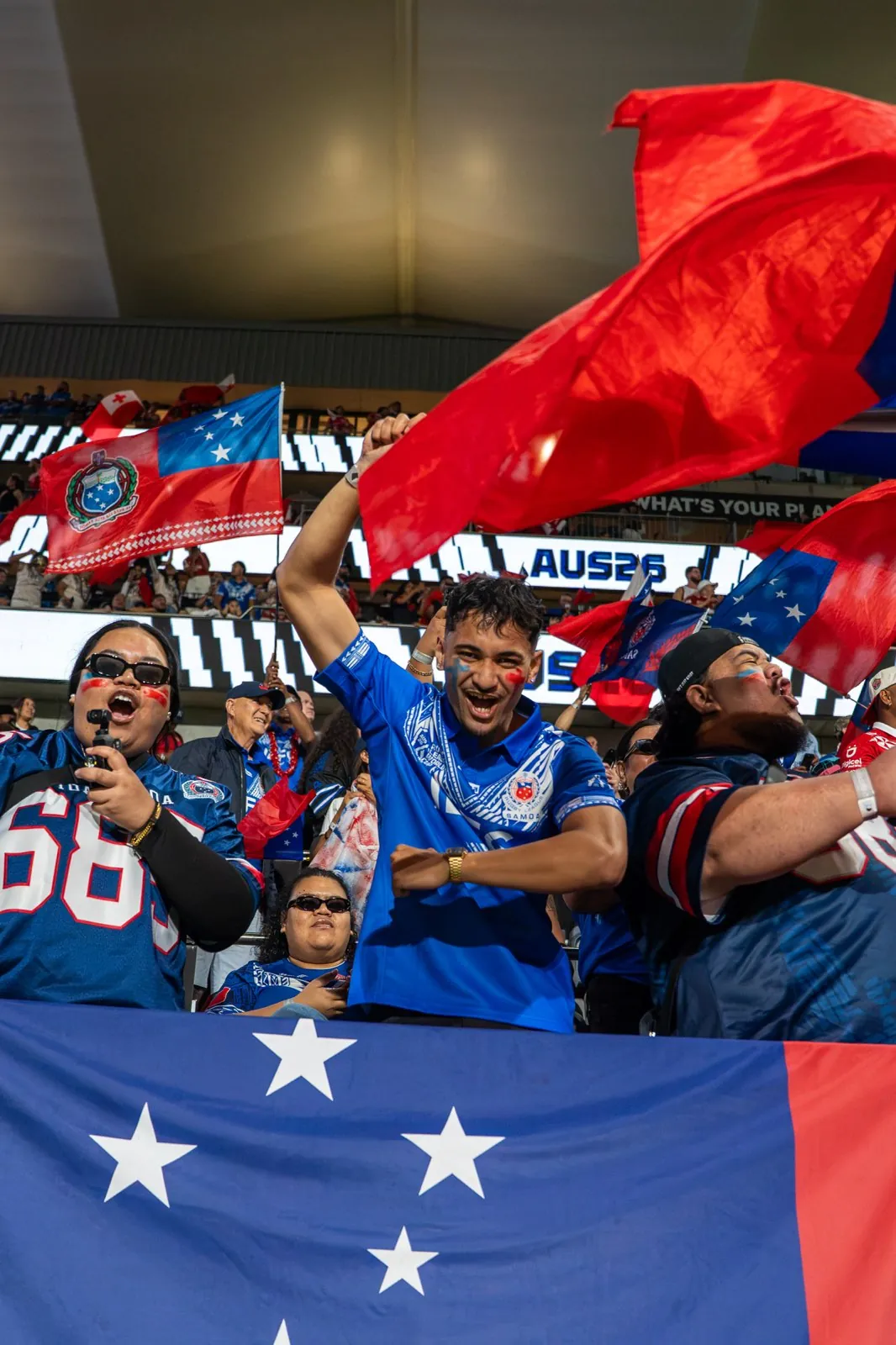
4. Learn the Anthems, Cultural Traditions and the Moments That Make the Pacific Special.
Now we are getting to the heart of it.
You can learn every rule, memorize every player and know every rivalry, but there is another part of Pacific rugby league that deserves just as much attention: the culture.
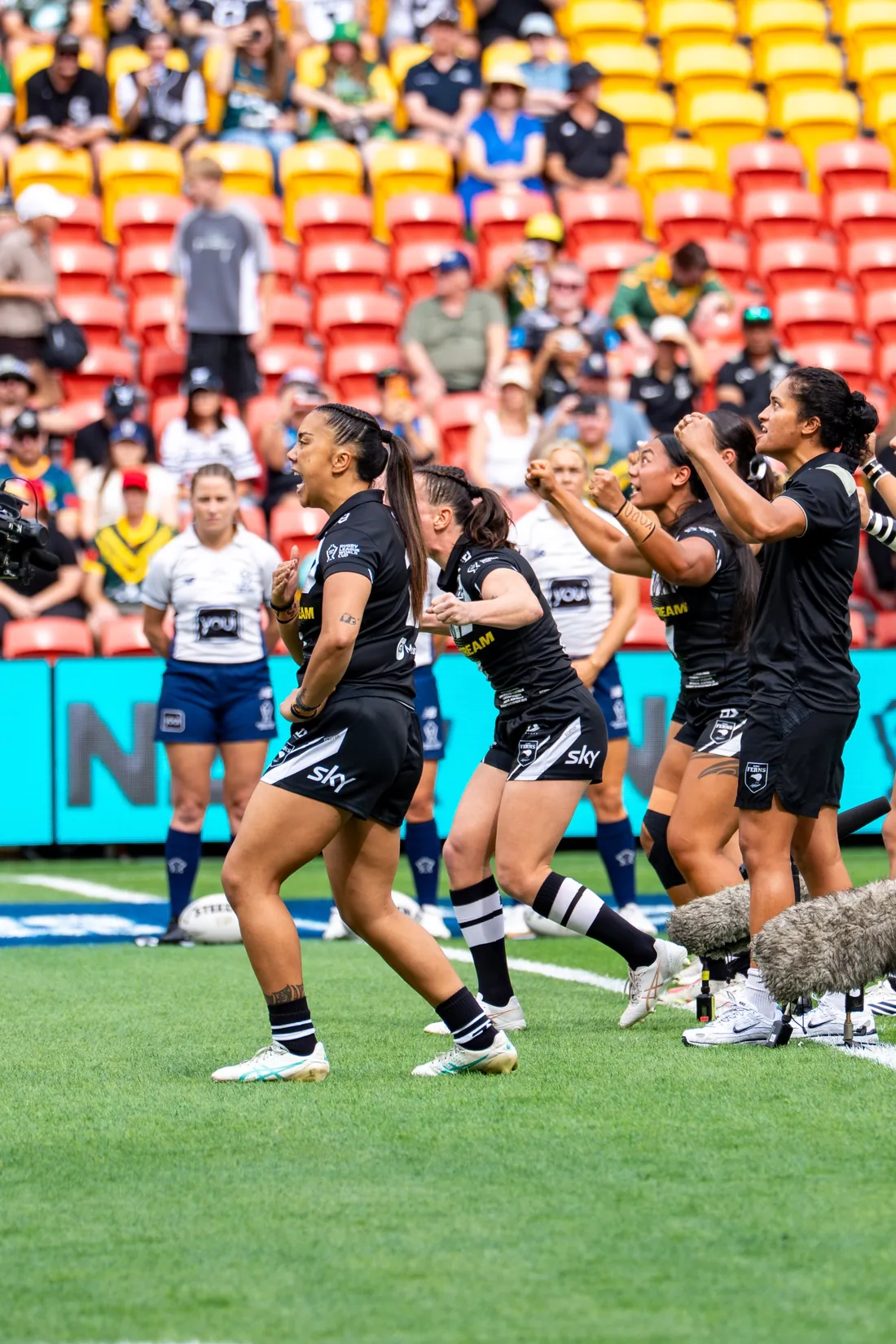
One of the most powerful parts of international rugby league is witnessing nations take the field with their cultural traditions proudly displayed. The Siva Tau performed by Samoa. The Sipi Tau of Tonga. New Zealand’s haka. These are not interchangeable performances or simply pre-game entertainment. They carry cultural meaning, history, identity and pride. Each nation has its own traditions, and understanding that distinction is part of respecting the people and cultures behind the jerseys.
And then there are the national anthems.
Learn the words. Learn what they mean. Understand the significance of hearing your nation’s anthem played on an international stage — the way Josh Tatofi lit up Eden Park singing for Tonga. If you have Pacific heritage, this is a beautiful opportunity to reconnect with your roots. If you are supporting a nation outside your own heritage, take the time to learn about the country you are cheering for.
Imagine standing in a stadium in the United States in 2030, surrounded by thousands of Pacific supporters, singing alongside families who have travelled across the world to see their nation compete. That feeling is difficult to put into words.
For our younger generations growing up in America, this is also an opportunity to learn. Ask your parents, grandparents, aunties and uncles about your heritage. Learn the language. Understand the traditions. Find out what your national colors represent. You don’t have to know everything today. Start somewhere.
Because when those teams walk onto the field in 2030, the pride should be just as loud as the crowd. And if you haven’t learned your national anthem yet, consider this your friendly reminder to get those lyrics down.
5. Get Parade-Ready. Yes, We’re Talking About You.
If there is one thing the 2026 Rugby League World Cup taught us, it is that Pacific supporters don’t simply show up to a game. We show up.
And we mean that quite literally.
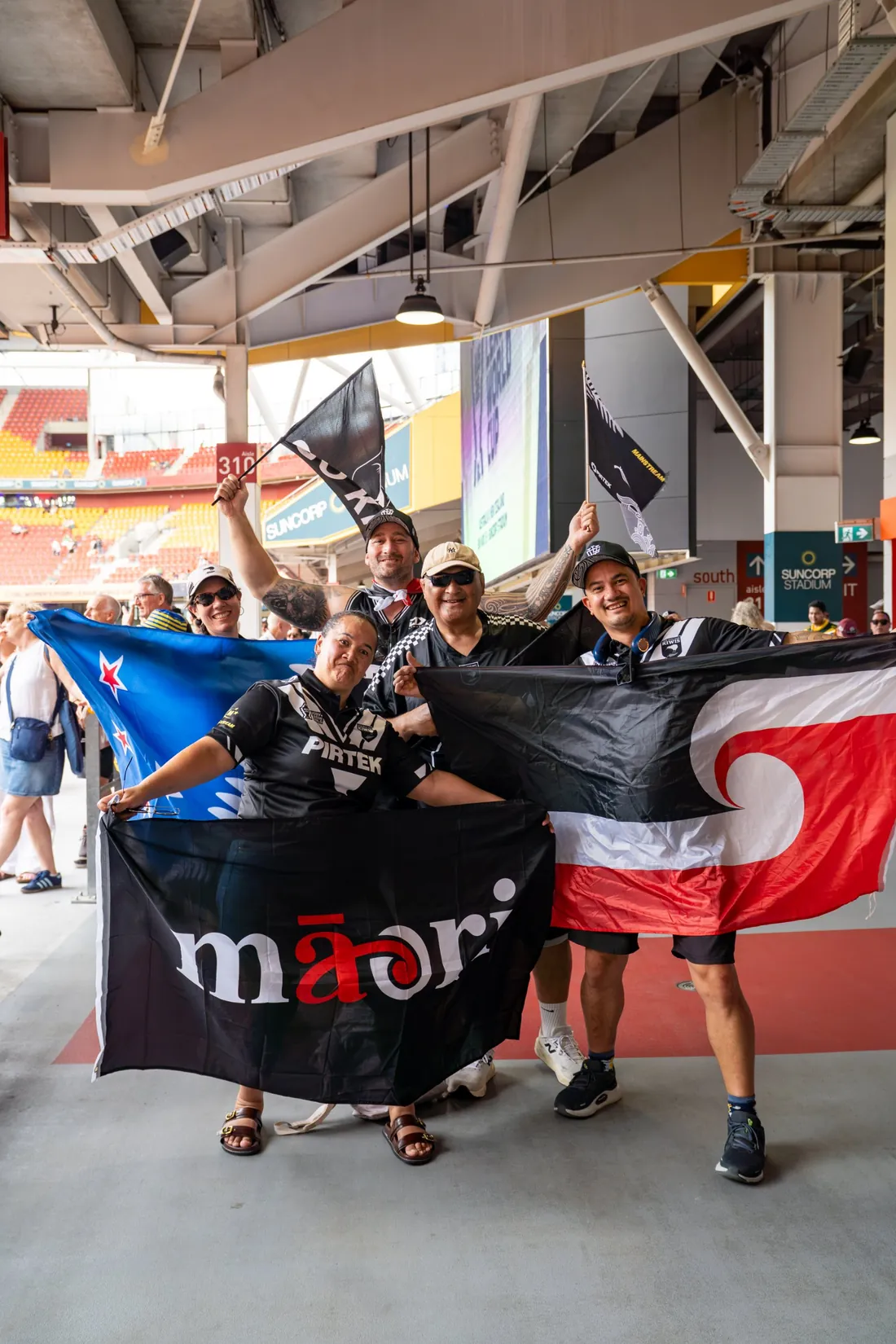
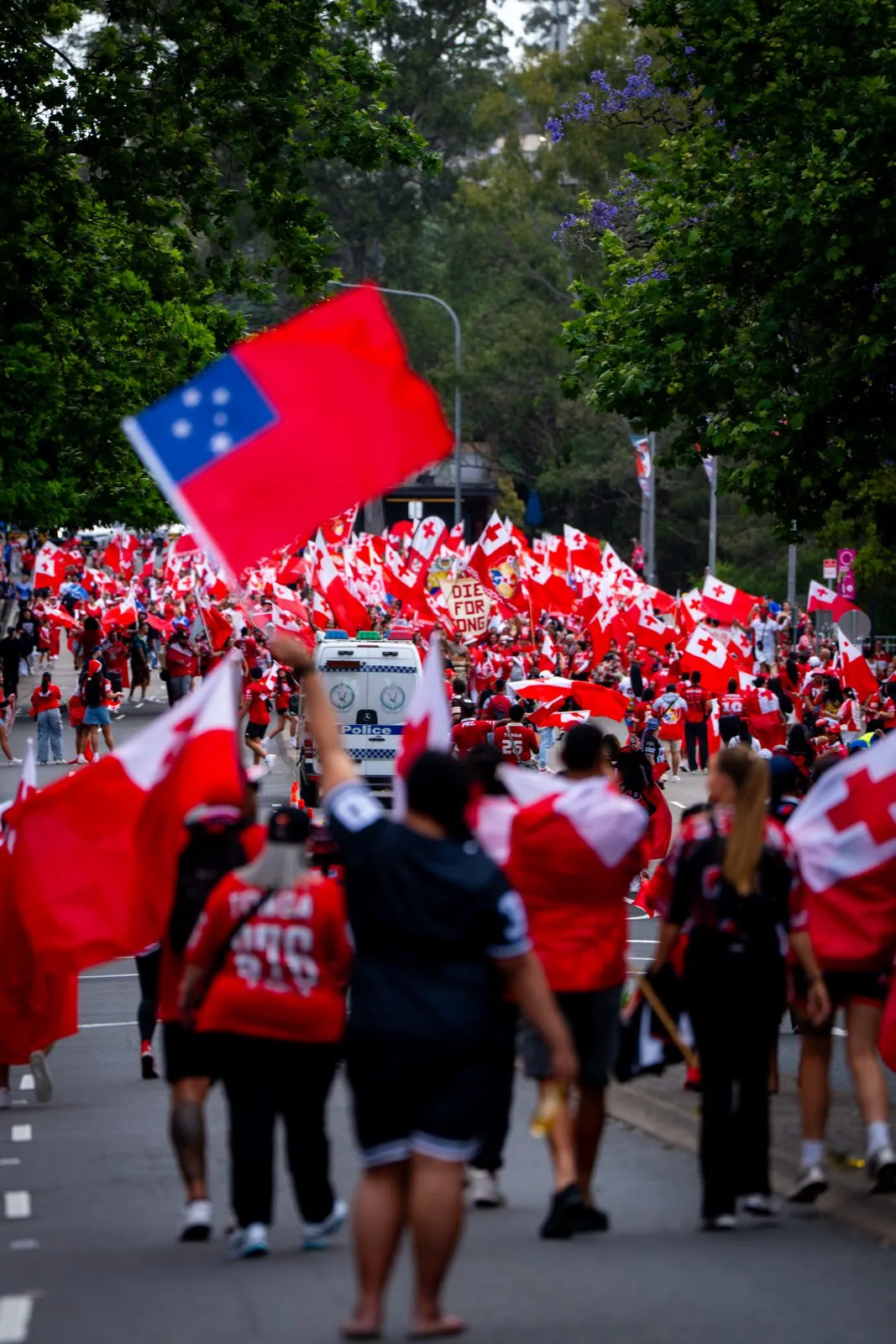
We have seen what happens when Pacific communities come together behind their nations. Parades, decorated vehicles, flags flying, music playing, families gathering and entire communities turning out to celebrate their teams. From Australia and New Zealand to the islands themselves, the celebrations have set a pretty high standard — just look at the thousands who turned out for Toa Samoa fan day in Western Sydney. And the Pacific diaspora in the United States has been bringing that same energy home, too. Throughout the 2026 tournament, supporters across the States organized celebrations and parades, with communities showing their pride from Alaska to Utah, the Bay Area and Las Vegas.
Now, imagine what that could look like in 2030.
We have four years to get our flags ready, plan our community celebrations, find the best Pacific playlists and make sure the whole neighborhood knows which nation we are supporting. Start looking for your national flag while you have time. Decorate your cars. Learn the chants. Put together a playlist that actually deserves to be played at full volume.
And please, make sure the music is good.
Whether it is Samoan music, Tongan music, Fijian hits, Cook Islands favorites or a little Pacific hip-hop, bring the sounds that remind you of home.
But here is the bigger picture.
These celebrations mean something beyond the game itself. For many Pacific families living in the United States, opportunities to gather in such a visible way, celebrate their heritage and represent their nations on an international stage are special. They bring generations together. They give our younger people an opportunity to see their culture celebrated. They create connections between communities that might otherwise never cross paths. For some, it is a chance to reconnect with their homeland. For others, it is an opportunity to represent the place their parents or grandparents came from.
And for those who have never had the opportunity to experience a Pacific sporting celebration, 2030 could be their first. That is something worth preparing for.
So, whether you are organizing a parade in your city, hosting a watch party, decorating your family’s cars or simply showing up with a flag and a loud voice, make sure you are part of it. Because when the Pacific takes the field, we want the supporters to be ready, too.
The 2026 Rugby League World Cup gave us memories, unforgettable moments and a reminder of just how powerful Pacific sport can be. It showed the world what happens when our nations take the field, when our communities rally behind them and when our culture is given the space to shine. Now, the countdown to 2030 begins. And while four years might seem like plenty of time, why wait until the opening whistle to start getting involved? Learn the game. Learn the players. Learn the banter. Embrace the culture. Get parade-ready.
Whether you are Samoan, Tongan, Fijian, Cook Islander, Papua New Guinean, Māori, or simply someone who loves sport and wants to experience something new, there is a place for you in this celebration. To our Pacific families across the United States, this is our opportunity to bring the energy we have seen across the Pacific and throughout Australia and New Zealand straight to American soil. And to everyone else, consider this your invitation.
You have four years. We’d recommend getting started.
See you in 2030. Bring your flag. Bring your people. And please learn what a try is worth.
Photography from the 2026 Rugby League World Cup. PMN+ is an independent Pacific media platform and is not affiliated with the IRL, NRL or the national teams featured.